
Managing inventory is one of the most crucial aspects of any small business. Proper inventory management ensures that you have the right amount of products for your customers and prevents overspending on stock, or worse, losing money on expired products. This guide will provide a comprehensive overview of inventory management for small businesses.
Inventory management is the process of ordering, storing, and using a company's inventory, which includes the management of raw materials, components, and finished products, as well as warehousing and processing such actions. Good inventory management can help small businesses reduce costs, analyse sales patterns to predict future demand, and improve their cash flow.
Understanding the different types of inventory—raw materials, work-in-progress, and finished goods—allows small business owners to understand where money is tied up and where efficiency gains could be made.
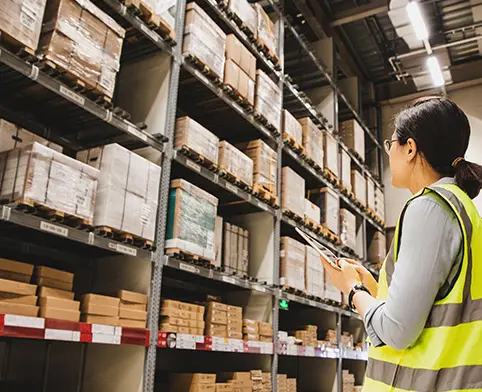
For small businesses, inventory management is crucial for the longevity and success of their business. It ensures that capital is not wasted on excess inventory and helps small businesses meet consumer demand. By managing inventory, small businesses can:
There are several inventory management techniques that small businesses can adopt.
1. First-in, first-out (FIFO): This method assumes that the oldest stock (first-in) gets sold first (first-out), not the inventory that arrived most recently. This is especially important for perishable products so that they don’t spoil.
2. Last-in, first-out (LIFO): LIFO is an inventory valuation method that assumes the last product in is the first product out. LIFO works well for businesses with products that do not have an expiry date like metal rods or certain clothing items.
3. Just-in-time (JIT): This inventory strategy uses efficiency to cut inventory costs. Businesses order only what they need, when they need it. This helps keep storage costs low and prevents money from being tied up in inventory.
4. ABC analysis: This method includes dividing your products into different categories based on their importance. ‘A’ items are the most important, ‘B’ items are of medium importance, and ‘C’ items are the least important. This helps in controlling inventories of high-value items.
Inventory valuation is important as it helps small businesses understand the financial state regarding their inventory. The most common methods for inventory valuation include:
1. FIFO: Mentioned above, this valuation method assumes that the cost of the oldest inventory items are expensed first.
2. LIFO: Under this method, the cost of the newest inventory items is expensed first.
3. Weighted Average Cost Method: Under this method, the cost of the inventory is calculated by dividing the total cost of goods available for sale by the total quantity of goods available for sale.
4. Specific Identification Method: This method is used when the individual items in the inventory are unique in a way from each other.
Inventory management's role in small businesses is to ensure that the business is running as efficiently and profitably as possible. It requires constant monitoring and updating to ensure the business is meeting customer demand without tying up more capital in inventory than necessary.
Implementing an effective inventory management strategy can result in more accurate accounting, better sales practices, and increased customer satisfaction. Effective inventory management also allows small business owners to make strategic decisions based on sales data, trends, and forecasting.
Inventory management might seem like a daunting task, especially for new small business owners, but it is a necessity. By understanding and implementing different inventory management techniques and valuation methods, small businesses can ensure they are maximising their potential for success and financial stability.
Remember, inventory management is not a one-size-fits-all strategy. What works best for one business might not work for another. Therefore, it's essential to understand these basics and apply what suits your business model and needs the best. Investing time and effort into effective inventory management can dramatically impact your small business's success and growth. So start today, and watch as the rewards begin to materialise.