
Artificial Intelligence (AI) and Automation have become buzzwords in the business world today. With the incredible advancements in technology, small businesses are embracing these innovative tools to increase productivity, reduce overhead costs, deliver high-quality customer service, and outperform their competitors. In this guide, we shall delve into the world of automation and AI, exploring its advantages, challenges, and strategies for effective implementation in small businesses.
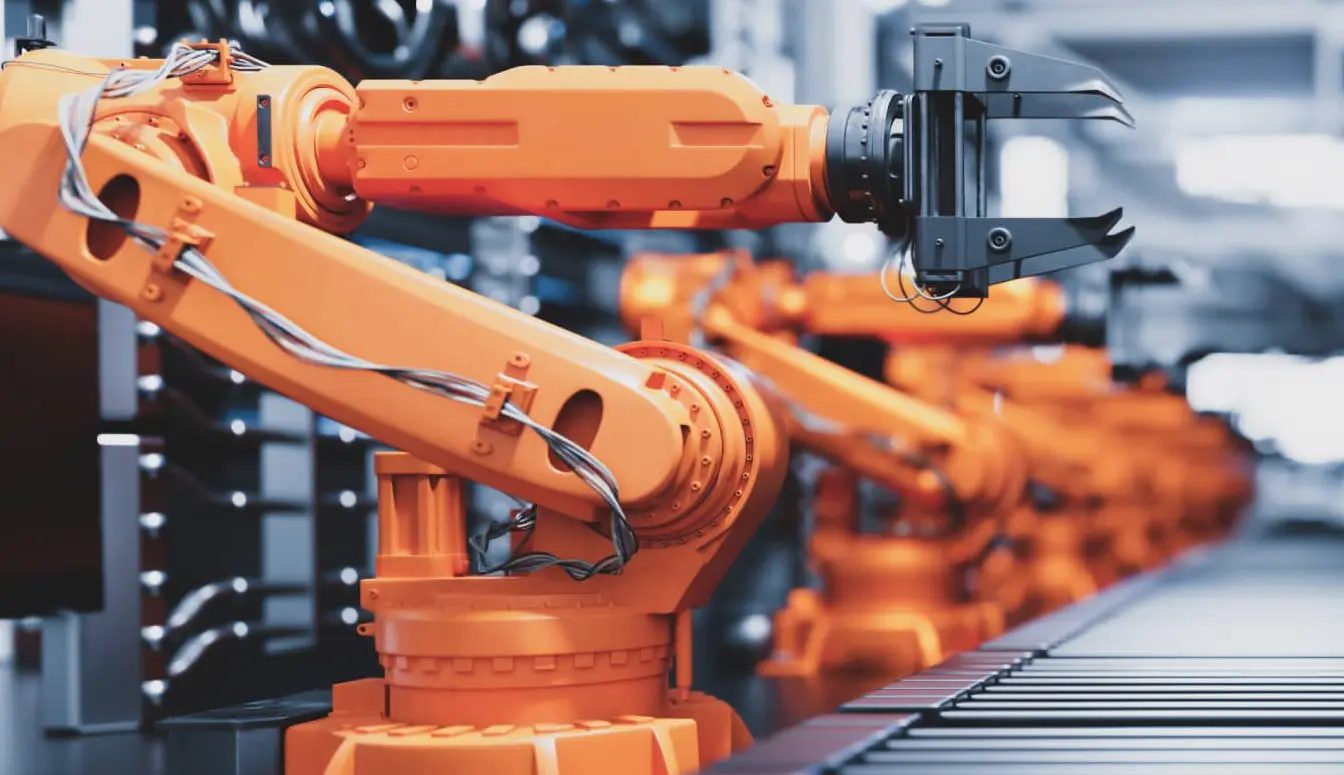
Automation is a technology application that involves the use of control systems like computers or robots to control different processes and reduce human intervention. On the other hand, Artificial Intelligence (AI) refers to the simulation of human intelligence procedures by machines, especially computer systems.
In a rapidly evolving digital world, small businesses need to leverage AI and automation for several reasons:
The first step in implementing automation and AI is identifying processes within the business that are highly repetitive, time-consuming, or labor-intensive. These might include tasks such as scheduling, invoicing, or customer service.
The next step is to choose the right AI and automation tools that fit the nature and scale of your business operations. Some of these tools might include AI-powered CRM systems, automated marketing tools, or chatbots for customer service. For instance, you could consider exploring tools that focus on generative AI to step up your automation game. This zdnet.com article provides insightful information on how generative AI could be potentially beneficial in automating business actions.
Once the right tools are in place, it critical to train your employees on how to use these tools effectively. This might involve providing comprehensive training materials, scheduling training sessions, or even hiring a consultant to provide on-site training.
The implementation of AI and automation is not a one-time process. You need to continuously monitor these tools' performance and make necessary adjustments to optimize efficiency and productivity.
Despite their numerous benefits, implementing AI and automation can present a few challenges:
As technology continues to advance, AI and automation will play an increasingly critical role in shaping the future of small businesses. Some possible future trends include:
While AI and automation present a vast array of opportunities for small businesses, careful planning and execution are needed to reap their full benefits. By understanding the potential advantages, challenges, and future trends, small business owners can make informed decisions on how best to implement these powerful tools.
Is automation and AI only for large corporations? No. While large corporations may have been the early adopters of these technologies, small businesses too can leverage automation and AI to enhance their operations and competitiveness.
How will AI and automation affect employees and job roles? While AI and automation may automate certain repetitive tasks, they also create opportunities for employees to focus on more strategic and high-value roles. Businesses should also consider retraining and upskilling employees to effectively leverage these technologies.
What is the ROI on implementing AI and Automation? The ROI on implementing AI and automation varies depending on the nature and scale of your operations. Nonetheless, investing in these technologies can result in significant cost savings, increased efficiency, and improved service delivery in the long run.
Are there any risks associated with automation and AI? While AI and automation come with several benefits, they also present risks like over-dependence on technology, privacy and security issues, and potential job losses. It is essential for businesses to adequately prepare and manage these risks.
What are some popular AI and automation tools that small businesses can use? Some popular AI and automation tools that small businesses can consider include HubSpot for automated marketing, Zoho CRM for customer relationship management, LiveChat for customer service, and Zapier for automating business processes.